When the power goes out during a storm, a portable generator can be a lifeline. But where you place it can mean the difference between safety and tragedy. After Hurricane Melissa, we saw at least one (1) report of family experiencing a heartbreaking losses from carbon monoxide poisoning, a silent and deadly gas that comes from running generators in unsafe spaces.
1. Always Keep It Outside
Generators should never be used indoors, in garages, carports, or under covered verandas. Carbon monoxide is invisible and odorless, and it can build up quickly and enter your home through doors, windows, or vents.
Place your generator at least 20 feet away from any building, with the exhaust pointed away from the house or any area where people gather.
2. Be Careful with Covered or Sheltered Areas
It is understandable to want to protect your generator from rain, since water can damage the equipment or enter the exhaust. However, placing it in a tightly covered space such as under an enclosed verandah, inside a shed, or beside a wall can trap dangerous exhaust fumes.
If you must give your generator some weather protection, make sure it has a clear and unobstructed path for the exhaust to escape. The exhaust should always face away from doors, windows, and air vents. We have helped many homeowners extend the exhaust pipe to direct the fumes further away from the home, as long as it does not restrict airflow. Proper ventilation is essential for safety.
3. Keep It on a Dry, Level Surface
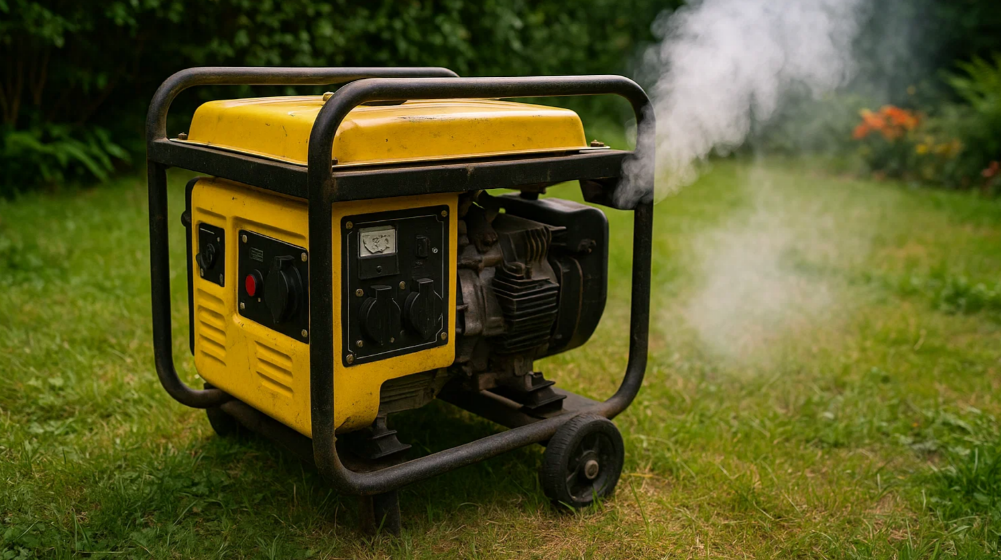
Water and electricity are a dangerous combination. Place your generator on a dry, level surface such as concrete, gravel, or a generator pad, not on grass or muddy ground. This prevents electrical hazards and keeps the generator stable while it is running.
4. Watch Your Cables
Use only heavy-duty extension cords that are rated for outdoor use. Make sure they’re long enough to reach comfortably without stretching or coiling. Keep all plugs and connections off the ground and away from water.
5. Plan Ahead for Safety
Install carbon monoxide detectors inside your home, especially near bedrooms. If anyone feels dizzy, lightheaded, or nauseous, move to fresh air immediately and seek help.
After the devastation of Hurricane Melissa, generator safety is more critical than ever. Taking a few minutes to review your setup can save lives.
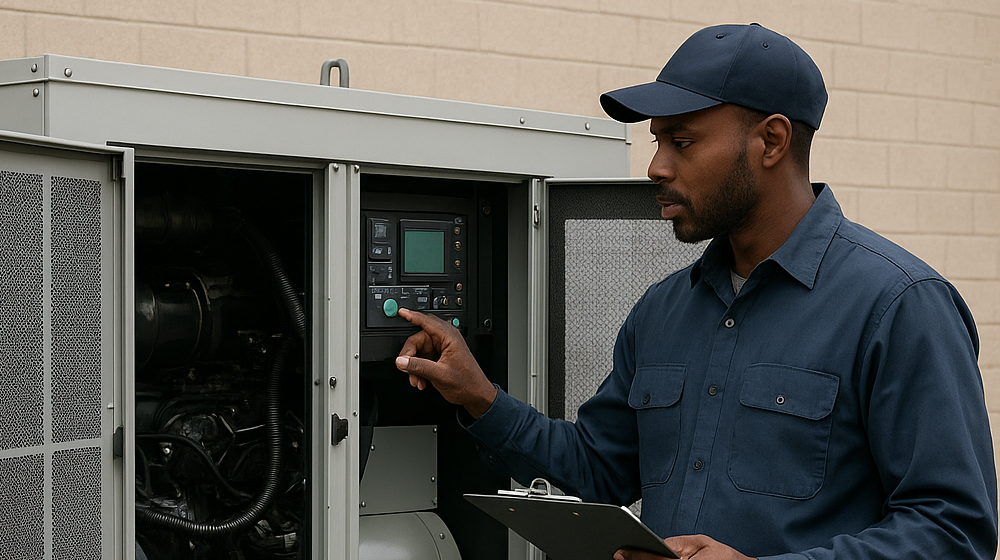
At F&E Energy, we are encouraging every generator owner to schedule a post-storm inspection. Our technicians can help you confirm that your generator is installed safely and performing as it should.
Contact F&E Energy today to schedule your generator safety and performance check.